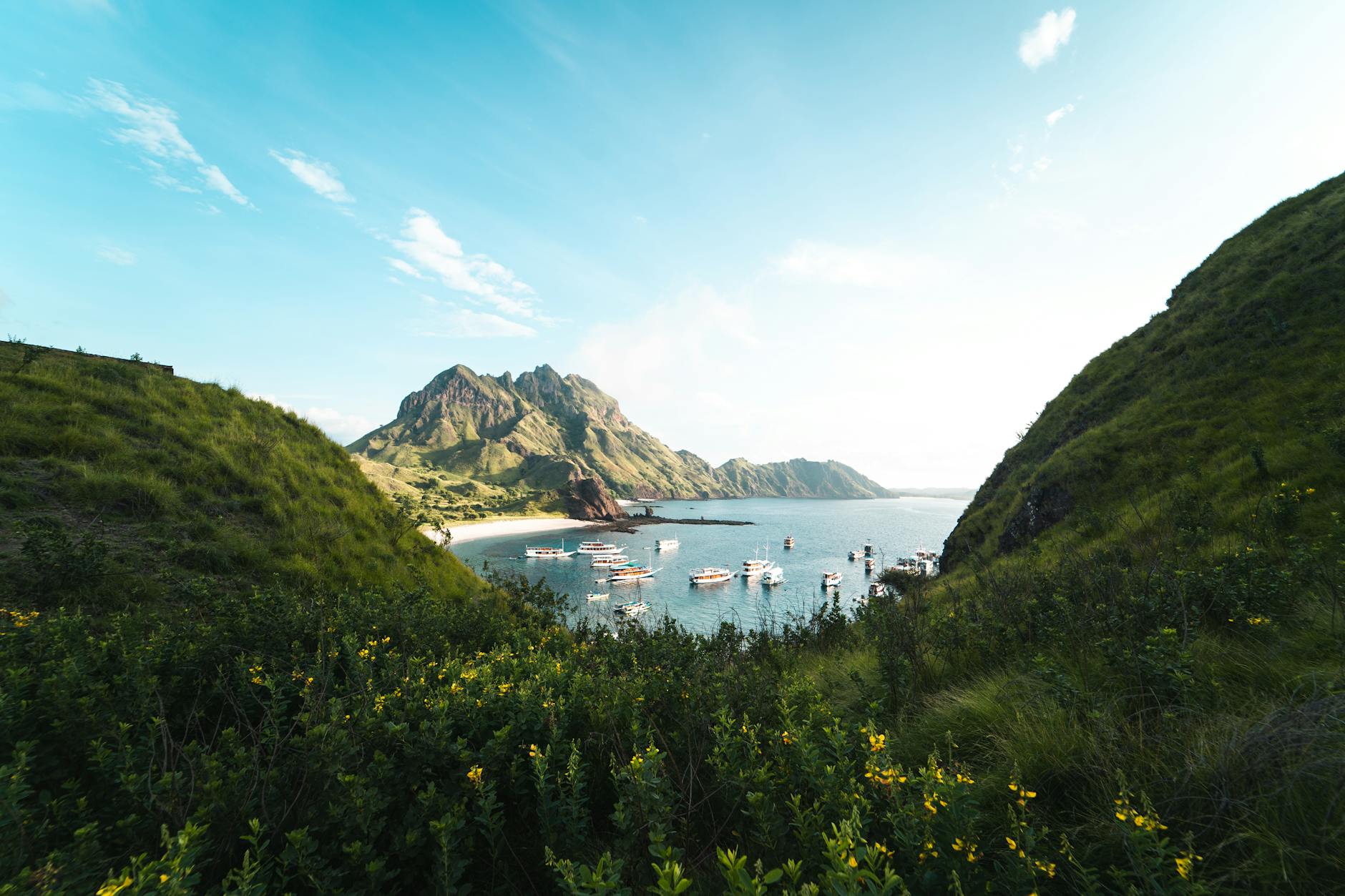


Why Exploring Australia's Landscapes Can Enhance Your Environmental Knowledge
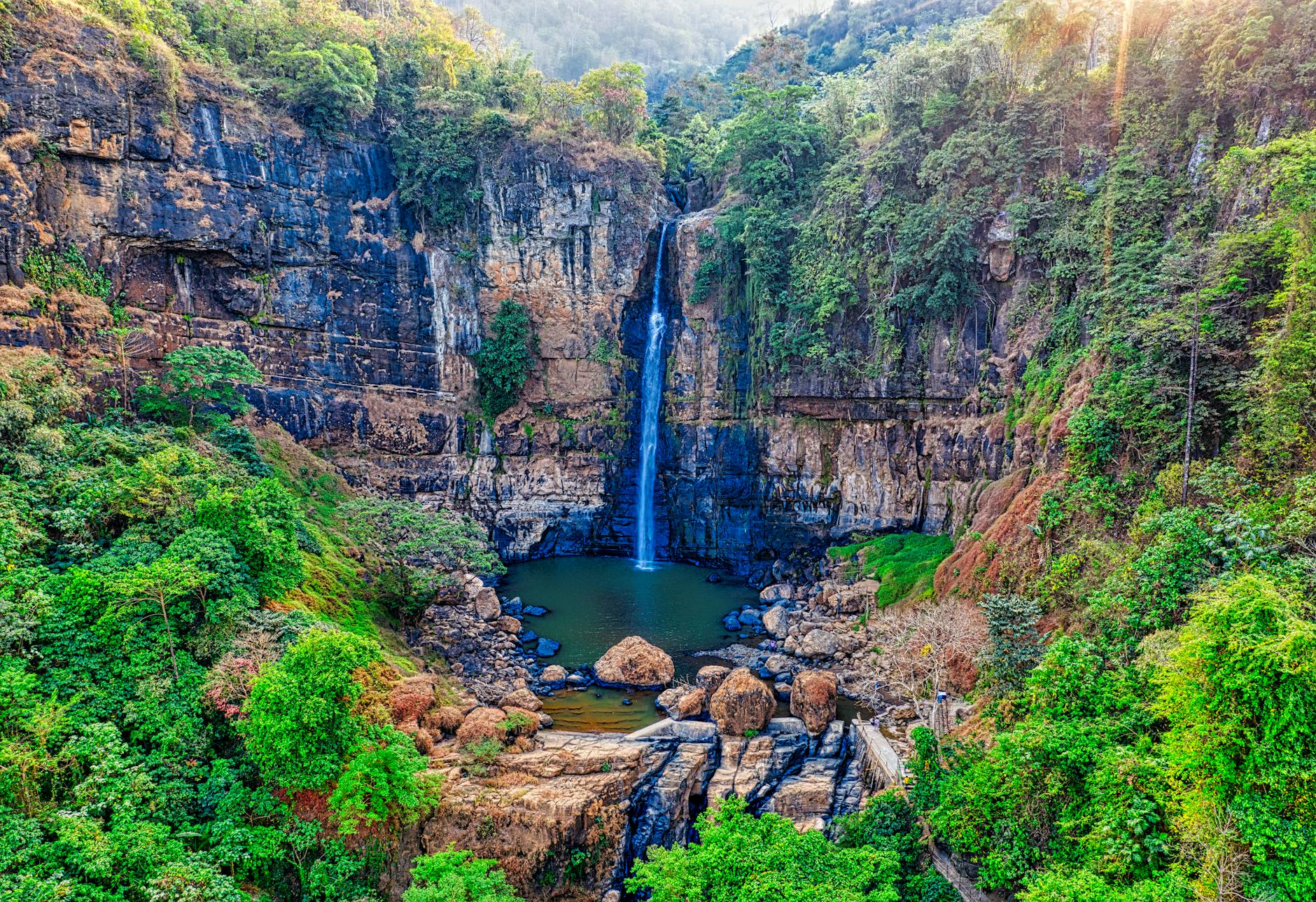
Discovering Unique Ecosystems
Australia is a treasure trove of distinctive ecosystems, each offering an opportunity for discovery and wonder. As a biodiversity specialist, I find the connection between these unique ecosystems and our conservation efforts crucial. Just like observing the array of flora in the Royal Botanic Gardens Victoria, we see how diverse vegetation intertwines with the environment and supports wildlife. Take for example, the dry yet captivating Australian deserts, which boast an impressive range of life adapted to harsh conditions. These arid landscapes provide insights into evolutionary patterns and survival strategies.
Visitors are often drawn to the lush beauty of the country’s rainforests, no less dynamic than its arid zones. These rainforests, rich with diverse biomes, reveal the biodiversity present in dense vegetative cover. Learning about these ecosystems enhances our appreciation of their complexity and the urgent need for their preservation. It mirrors the eco-friendly initiatives seen in the Yarra Ranges, emphasizing practical steps in environmental conservation.
For those yearning to expand this exploration beyond Australia's shores, consider options like Patagonia tours or Tanzania tours. They promise equally unique ecosystems and are valuable for understanding global biodiversity. Preserving these ecosystems is not just an option; it’s a necessity. By understanding them better, we ensure that our approach to travel and conservation is both informed and respectful.
Geological Marvels in Australia
Australia's landscape is dotted with geological wonders that captivate both casual admirers and seasoned specialists. One such marvel is the ancient rock formations found throughout the country, with vast formations in central Australia offering a glimpse into our planet's deep past. After seeing these ancient landscapes, my thoughts often wander to the rich mineral deposits scattered across the continent. These deposits narrate stories of geological processes that have shaped Australia for millions of years. From opal fields to gold and iron ore sites, these locations are a geologist's dream.
For those intrigued by earth's dynamic features, Australia’s active volcano areas may offer surprising insights. While these volcanoes are relatively dormant, their presence serves as a reminder of the tectonic activities beneath us. Venturing into these areas requires respect for the natural environment. I often draw parallels to eco-friendly initiatives in the Yarra Ranges, which stress the importance of nature conservation and sustainable exploration.
For those eyeing international experiences, Kenya has similar attractions. Kenya tours offer diverse geological features, doubling as a hotspot for witnessing earth's raw and colourful past. It's crucial, however, that we explore responsibly, ensuring that our footprint leaves these invaluable resources untouched for future generations.
Wildlife Unveiled Through the Lens
Iconic Species to Capture
Wildlife photography offers a magnificent glimpse into nature, allowing us to document and cherish iconic species. In Australia, you are invited to photograph unique animals like the kangaroo and koala. But, if your adventures take you further afield, consider a Namibia safari where you might spot majestic elephants and the elusive cheetah. For those with a penchant for bird photography, Namibia is home to vibrant and rare avian species worth capturing.
Habitats of Rare Fauna
Understanding the habitats of these creatures enhances the narrative of your photography. For example, the Royal Botanic Gardens Victoria provide a curated home for a range of native and rare flora, which can attract diverse fauna. In Namibia, harsh desert landscapes offer unique opportunities to photograph species adapting to arid conditions. This knowledge not only improves your photography skills but also bolsters environmental preservation efforts, as you're more likely to respect these habitats when you understand their ecological significance.
Best Photography Spots
Choosing the right photography spot is crucial to framing and capturing wildlife effectively. Consider visiting research facilities at the University of Melbourne for a chance to photograph native wildlife in a controlled environment. In Namibia, the Etosha National Park is renowned for its breathtaking landscapes and abundant wildlife, offering unparalleled opportunities for photographers. Additionally, eco-friendly initiatives in the Yarra Ranges might offer tours that combine photography with conservation education. Each location presents the chance to capture stunning images while promoting awareness and appreciation for wildlife preservation.
Conservation Efforts in Australia
As a biodiversity enthusiast based in Melbourne, I often draw inspiration from the Royal Botanic Gardens Victoria and their approach to conservation. Australia is home to a myriad of ecosystems, each with its own unique set of challenges. Concerted conservation efforts aim to safeguard these areas. From coral rejuvenation projects on the Great Barrier Reef to regeneration of native forests in the Yarra Ranges, it's clear that preserving Australia's rich biodiversity is paramount.
Community-focused initiatives are also integral. For instance, eco-friendly projects in agricultural zones provide habitats for native wildlife while promoting sustainable farming practices. These actions are crucial, ensuring that the land remains both fertile and hospitable for diverse species. Additionally, environmental education programs cultivated by institutions such as the University of Melbourne empower communities to take active roles in conservation.
Tourism plays a pivotal role, too. By engaging in Arctic cruises, travellers can witness firsthand the pristine beauty of polar ecosystems, which inspires a deeper commitment to environmental protection. Such experiences reinforce the importance of sustainable travel practices that minimize ecological footprints while supporting local eco-projects that bolster conservation efforts.
Holistic conservation involves a synergy between scientific research, community engagement, and mindful tourism. Each plays a part in safeguarding Australia's natural wonders for future generations. Through collective action and awareness, we can foster a sustainable future together.
Navigating Landscape Exploration Challenges
Overcoming Weather and Terrain Obstacles
Understanding the impact of Australia's diverse weather patterns is crucial for a safe exploration experience. In areas like the Yarra Ranges, sudden weather shifts can present challenges, especially for those not accustomed to the rapid change in conditions. To mitigate such risks, it’s vital to monitor weather updates regularly, preferably using eco-friendly apps endorsed by local initiatives. Selecting the right gear—like durable, waterproof clothing—is key to thriving in unpredictable landscapes that might suddenly transform from sun to rain.
Securing Access and Permits for Remote Expeditions
Embarking on adventures within Australia’s secluded natural environments often requires securing specialized permits. For areas such as the Royal Botanic Gardens Victoria or research sites connected to the University of Melbourne, these permits help preserve the regions while allowing necessary visitor access. Plan ahead by researching online or contacting local rangers for precise information about permit requirements and best practices. Engaging with these channels helps promote responsible organization of visits, ensuring that our activities don't disturb delicate ecosystems.
Harmonising Exploration with Conservation
As biodiversity specialists, we must advocate for and practice responsible exploration. By supporting local eco-initiatives like those found in the Yarra Ranges, we contribute positively to conservation efforts. Participating in tree-planting programs or attending conservation workshops not only enrichens our understanding but also sustains the vitality of the landscapes we cherish. Every step we take should echo a commitment to safeguarding the earth's treasures so future generations can continue to explore Australia's wonders.